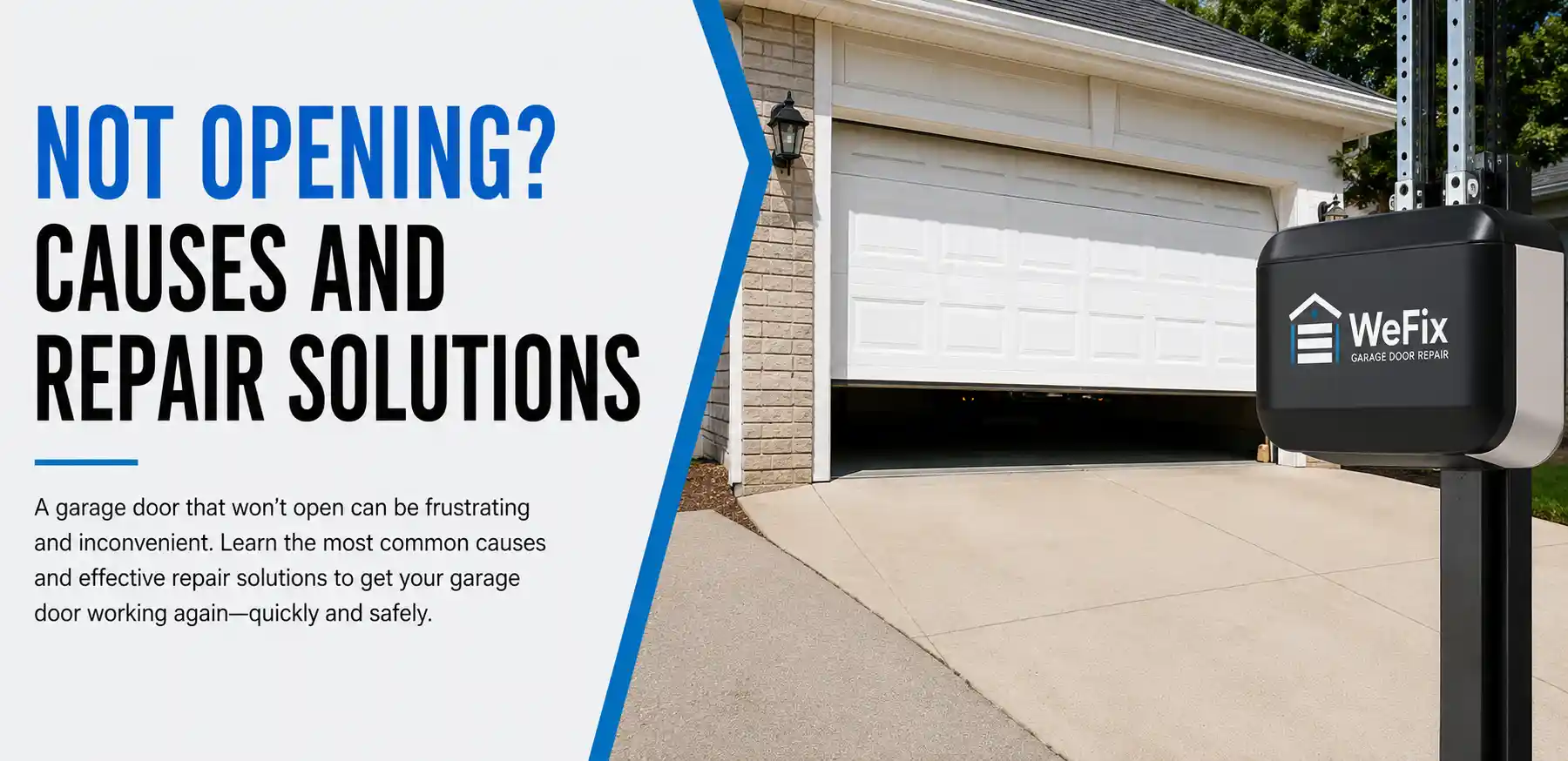

A garage door is one of the largest moving components of your home and one of the most frequently used. Whether you’re leaving for work, returning home, or storing valuable belongings, you rely on your garage door to operate smoothly every day. When it suddenly refuses to open, it can disrupt your schedule, compromise your home’s security, and even create a safety hazard. While it may be tempting to assume the worst, many garage door problems are caused by issues that can be identified early with the right inspection. Understanding why your garage door is not opening is the first step toward restoring safe and reliable operation.
Homeowners searching for dependable garage door solutions often trust We Fix Garage Door Repair for professional inspections, repairs, and preventive maintenance. Experienced technicians can quickly diagnose mechanical and electrical issues, helping homeowners avoid expensive repairs while extending the lifespan of their garage door systems through timely service.
If your opener is making noise but the door refuses to move, or your garage door only opens part way before stopping, it may be time to schedule a professional Garage Door Opener Repair service. Modern garage door openers contain multiple components that work together, including motors, drive systems, safety sensors, and electronic controls. When any of these components fail, the entire system can stop functioning properly.
Many homeowners also rely on Garage Door Repair Services to keep their garage doors operating safely throughout the year. Routine inspections help identify worn springs, damaged rollers, faulty sensors, and opener problems before they develop into costly emergencies or complete system failures.
Why Your Garage Door May Suddenly Stop Working
A garage door system is made up of many moving parts that work together every time you press the remote or wall button. If even one component fails, the entire system can stop operating correctly. The good news is that many problems begin with small warning signs that homeowners often overlook.
A garage door may stop opening because of:
- Broken garage door springs
- A faulty garage door opener
- Dead remote batteries
- Misaligned safety sensors
- A disconnected emergency release cord
- Damaged garage door tracks
- Worn rollers
- Broken cables
- Electrical problems
- Lack of routine maintenance
According to Garage door information, modern garage doors rely on a balanced system of springs, tracks, rollers, cables, and openers to operate safely. When one component begins to fail, additional stress is placed on the remaining parts, increasing the risk of more expensive repairs if the issue is ignored.
Reason #1: Broken Garage Door Springs
One of the most common reasons a garage door refuses to open is a broken spring.
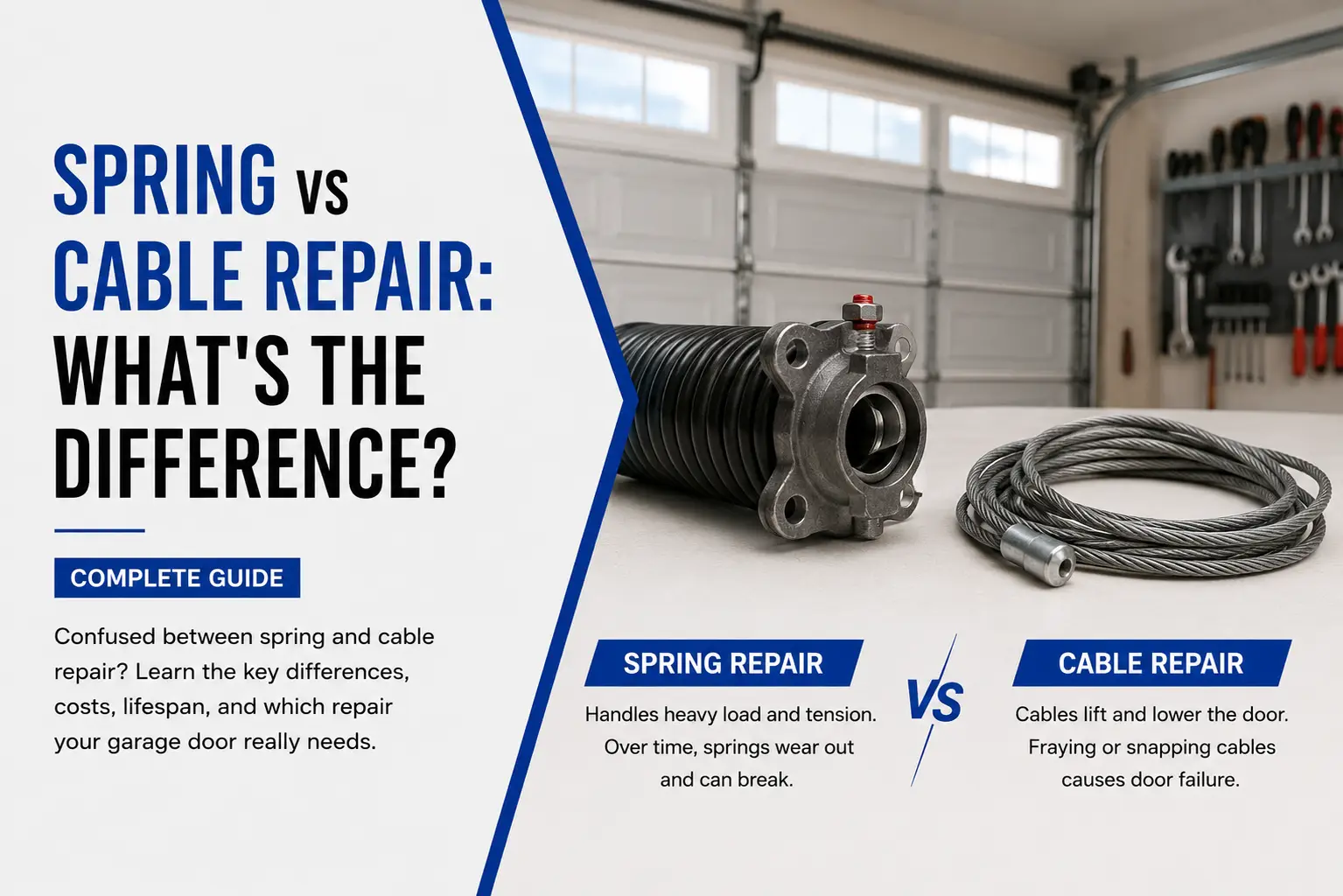
Garage door springs are responsible for supporting most of the door’s weight. Although the opener moves the door, the springs do most of the heavy lifting. When a spring breaks, the opener often cannot lift the door by itself.
Common warning signs include:
- A loud popping or snapping sound from the garage
- The garage door opens only a few inches
- The door feels extremely heavy when lifted manually
- Visible gaps in the torsion spring
- Crooked or uneven door movement
Broken springs should never be repaired without professional tools and training because they remain under extreme tension. Attempting DIY repairs can result in serious injuries and additional property damage.
Reason #2: Garage Door Opener Failure
Another common cause is a malfunctioning Garage Door Opener.
Your opener contains electrical and mechanical components that work together to raise and lower the garage door. Over time, normal wear can affect the motor, drive gear, chain, belt, circuit board, or trolley system.
Signs your opener may be failing include:
- The motor runs, but the door doesn’t move.
- The opener makes unusual grinding noises.
- The remote responds inconsistently.
- The opener stops halfway through operation.
- The wall switch works, but the remote doesn’t.
In many situations, replacing worn components is more affordable than replacing the entire opener. A professional inspection can determine whether repair or replacement is the best solution.
Reason #3: Dead Remote Batteries or Power Problems
Sometimes the simplest explanation is the correct one.
If your garage door suddenly stops responding, begin by checking the remote control.
Replace the batteries and test the opener again. If the remote still doesn’t work, try using the wall-mounted control panel.
If neither control operates the opener, inspect:
- The power outlet
- Circuit breakers
- GFCI outlets
- Power cords
- Electrical connections
Power interruptions are surprisingly common and can often be resolved without replacing any garage door components.
Common Reasons Your Garage Door Is Not Opening
When your garage door suddenly stops working, it doesn’t always mean you need a complete replacement. In many cases, the problem is caused by a worn component, lack of maintenance, or a malfunctioning opener. Identifying the cause early can help prevent further damage and reduce repair costs.
Broken Garage Door Springs
One of the most common reasons a garage door won’t open is a broken torsion or extension spring.
Garage door springs support most of the door’s weight, making it possible for the opener to lift and lower the door safely. When a spring breaks, the opener may struggle to lift the door or fail completely.
Common signs include:
- A loud snapping sound
- The door feels unusually heavy
- The door only opens a few inches
- One spring appears broken or separated
Since garage door springs are under extreme tension, they should only be repaired by trained professionals.
Garage Door Opener Problems
Sometimes the issue isn’t the door itself but the opener.
A faulty motor, worn drive gear, disconnected trolley, or electrical issue can prevent the opener from moving the door.
If you hear the motor running but the door stays in place, the opener may need professional inspection.
Modern garage door openers rely on motors while springs counterbalance most of the door’s weight, so problems with either component can stop normal operation.
Dead Remote Control Batteries
This may sound obvious, but weak batteries are one of the simplest causes of garage door problems.
Before assuming something is broken:
- Replace the remote batteries.
- Test the wall control.
- Check if another remote works.
- Verify the opener has power.
If only one remote fails while the wall button works normally, replacing or reprogramming the remote may solve the problem.
Misaligned Safety Sensors
Modern garage doors include photo-eye safety sensors located near the floor.
If these sensors become dirty, blocked, or misaligned, the opener may refuse to operate correctly.
Check for:
- Dust covering the lenses
- Objects blocking the beam
- Loose wiring
- Flashing indicator lights
- Misaligned sensor brackets
Cleaning and realigning the sensors often restores normal operation.
The Emergency Release Cord Was Pulled
Every garage door opener includes an emergency release cord.
If someone accidentally pulls this red handle, the opener disconnects from the garage door.
The motor may continue running, but the door will not move because it is no longer attached to the opener.
This commonly happens after power outages or when someone attempts to operate the door manually.
Garage Door Tracks Are Damaged
Garage doors rely on metal tracks to move smoothly.
Bent tracks, loose brackets, damaged rollers, or accumulated debris can prevent the door from opening correctly.
Signs include:
- Crooked door movement
- Grinding noises
- Door stopping halfway
- Rollers jumping off the track
Do not force the opener if the door appears off-track, as this may cause additional damage.
Preventive Maintenance Tips
Routine maintenance can prevent many common garage door problems before they become expensive repairs.
Simple maintenance includes:
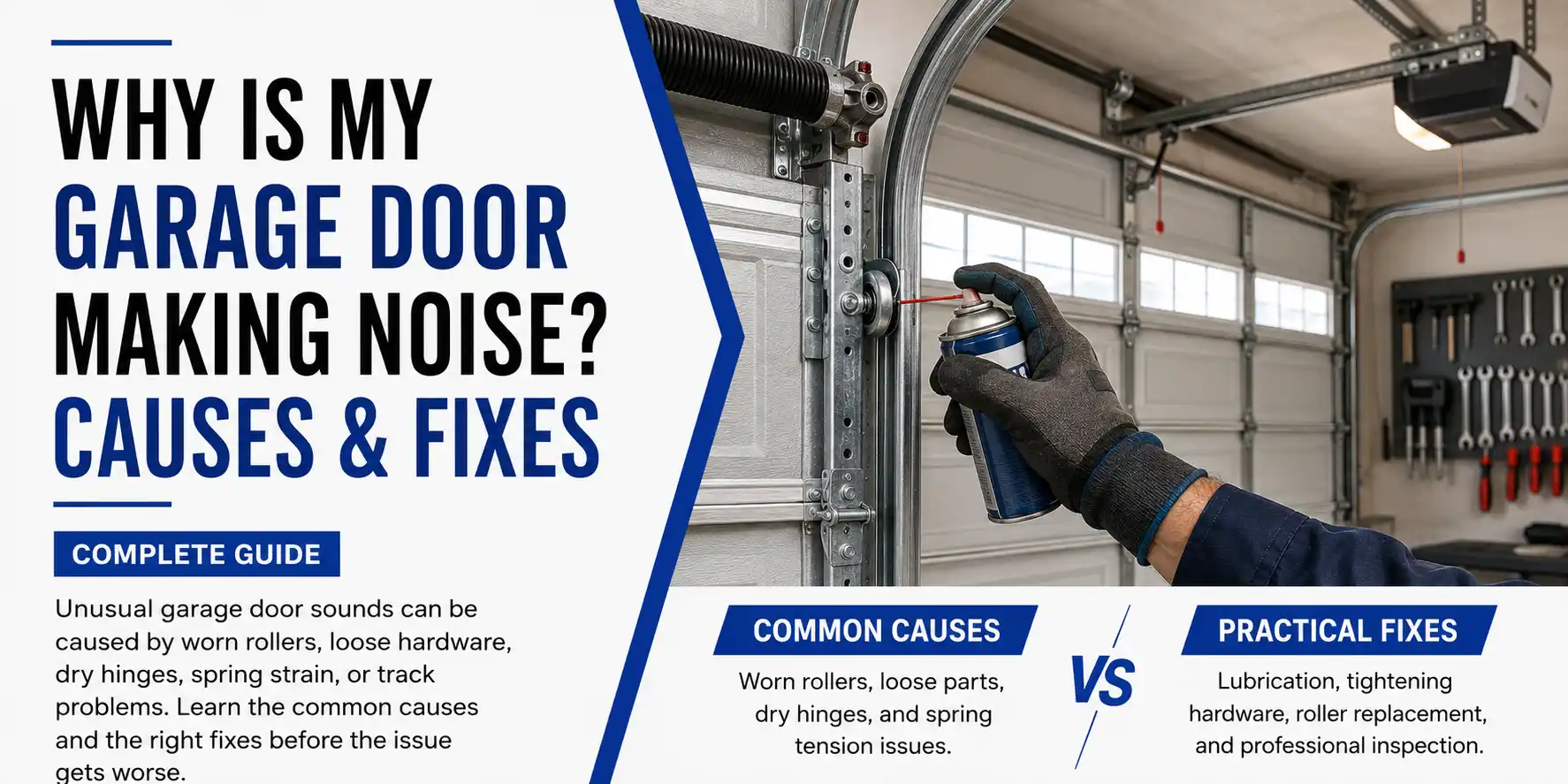
- Lubricating rollers and hinges
- Inspecting springs for wear
- Tightening loose hardware
- Cleaning safety sensors
- Testing the garage door balance
- Replacing remote batteries regularly
- Keeping tracks free of dirt and debris
Preventive maintenance improves performance while extending the lifespan of your garage door system.
Many homeowners also browse discussions about Garage door problems to learn from other homeowners’ experiences and troubleshooting tips before scheduling professional service.
Conclusion
If you’ve been asking, Why Is My Garage Door Not Opening?, the problem could be anything from a dead remote battery or misaligned safety sensors to broken springs, damaged tracks, or a failing garage door opener. While some minor issues can be identified through basic troubleshooting, problems involving springs, cables, tracks, or openers should always be handled by trained professionals to ensure your safety and prevent further damage.
Regular inspections and preventive maintenance help keep your garage door operating smoothly while reducing the risk of unexpected breakdowns. If your garage door refuses to open or shows signs of mechanical failure, We Fix Garage Door Repair provides reliable garage door repair and opener services to restore safe, dependable operation for your home.
Frequently Asked Questions
Why is my garage door not opening even though the opener is running?
If the motor runs but the door doesn’t move, the problem may be a broken spring, disconnected emergency release, worn opener gear, or damaged trolley. A professional inspection can identify the exact cause.
Can I manually open my garage door if the opener stops working?
Yes, but only if the garage door springs are functioning properly. Use the emergency release cord to disconnect the opener. If the door feels extremely heavy, avoid forcing it, as this could indicate a broken spring.
How do I know if my garage door spring is broken?
Common signs include a loud bang, the door opening only a few inches, visible gaps in the spring, or a garage door that suddenly feels much heavier than normal.
Why won’t my garage door open with the remote?
The remote batteries may be dead, the opener may have lost power, the remote may need reprogramming, or there may be interference with the signal. Testing the wall button can help narrow down the cause.
How often should I have my garage door professionally inspected?
Most experts recommend scheduling a professional garage door inspection and maintenance service at least once a year to identify worn components, improve safety, and keep the door operating efficiently.