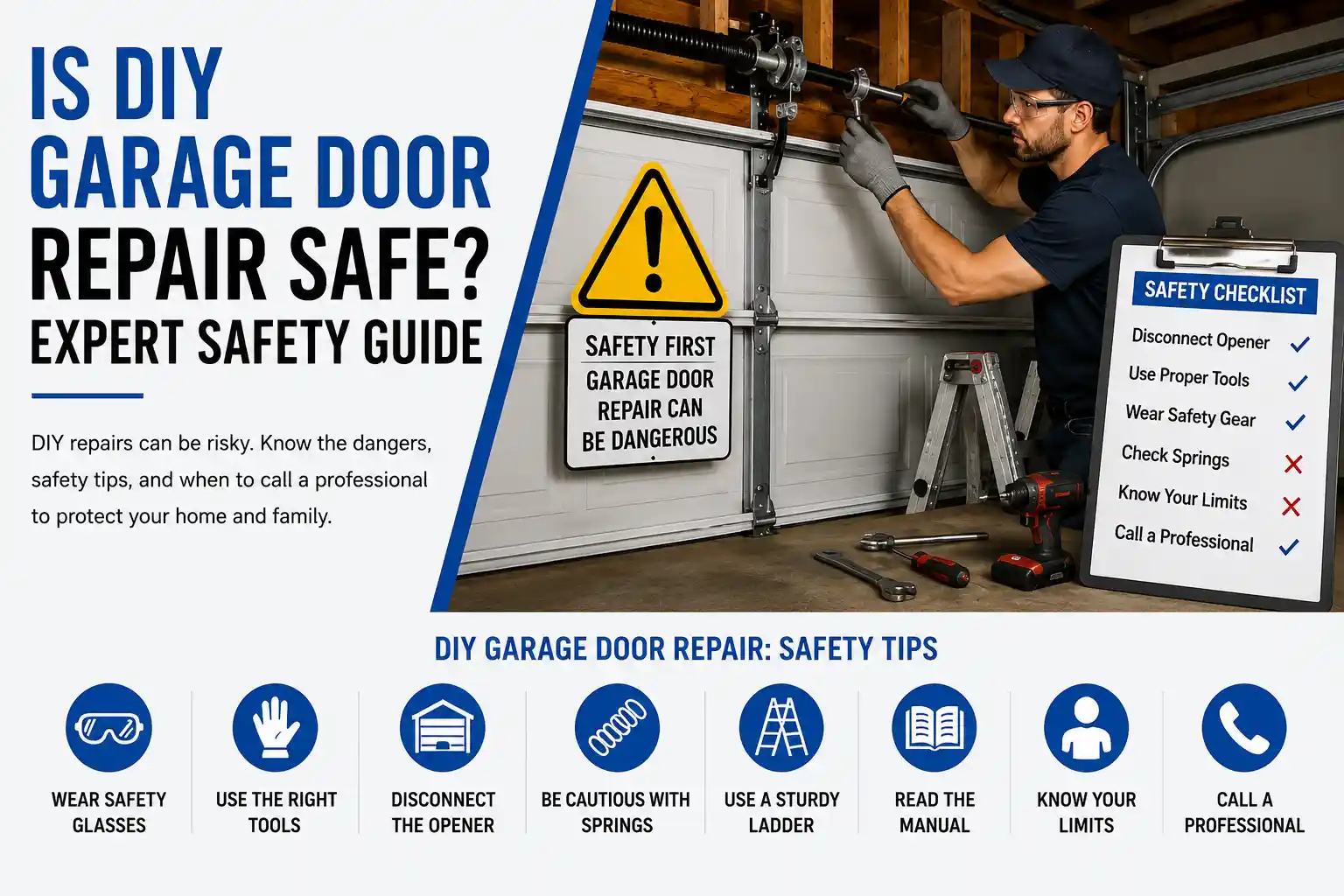

DIY garage door repair is safe for minor maintenance tasks like lubricating rollers or tightening loose hardware, but it is not safe for spring, cable, or track repairs, which involve high tension and can cause serious injury. WeFix Garage Door Repair recommends homeowners in Houston know this line before picking up a tool.
This guide breaks down which garage door tasks are safe to handle yourself, which ones require a professional, and how to tell the difference using this garage door inspection guide.
What Counts as DIY Garage Door Repair?
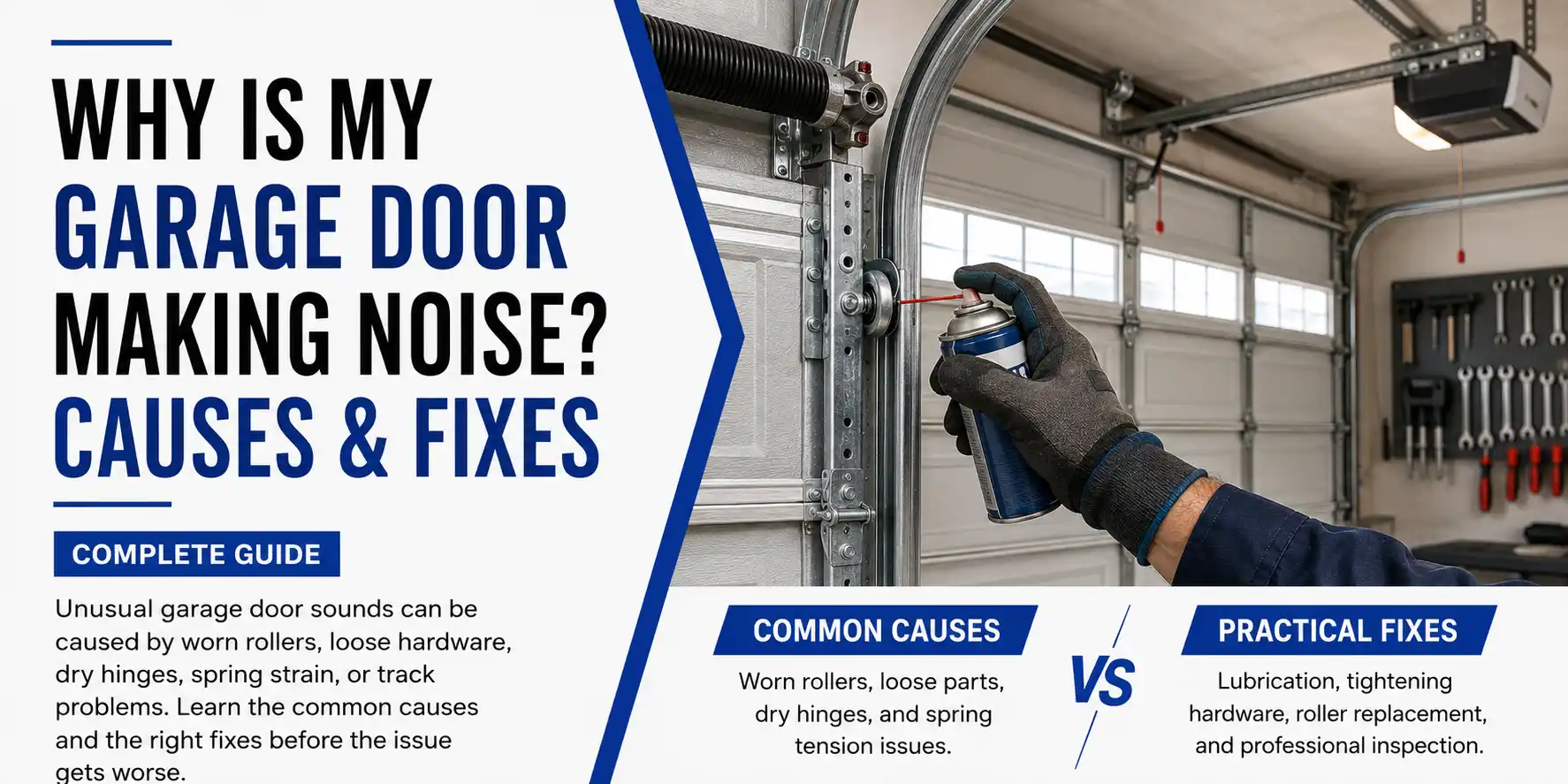
DIY garage door repair refers to basic maintenance and minor fixes a homeowner can safely perform without special tools or training, such as lubrication, hardware tightening, and visual inspections.
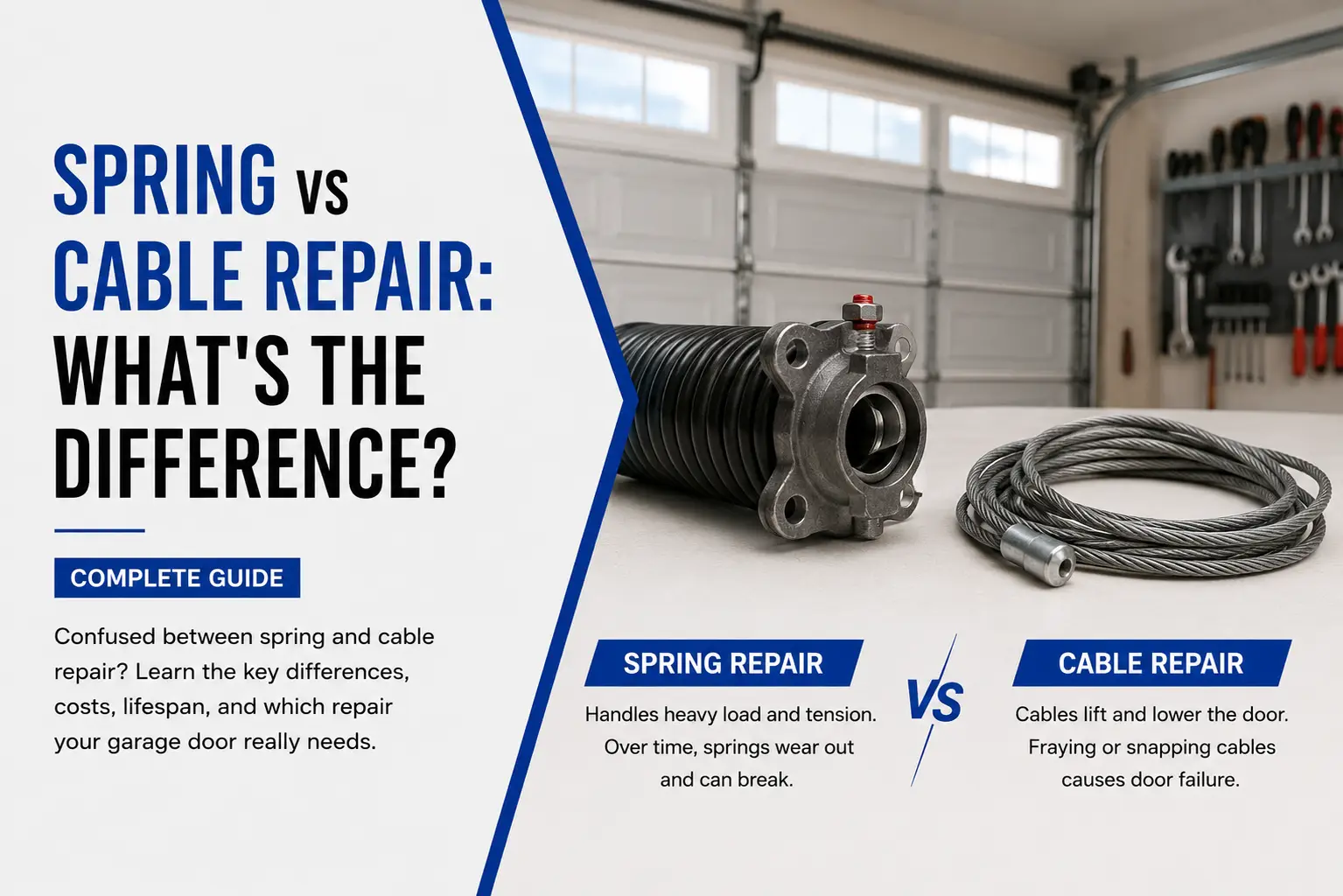
It does not include any repair involving the torsion or extension springs, the lift cables, or the track system under load. These components store or carry significant mechanical force, and handling them without training is where most garage door injuries happen.
DIY-Safe Tasks vs. Professional-Only Repairs
Safe DIY tasks involve parts with no stored tension, like rollers, hinges, and weatherstripping. Professional-only repairs involve parts under constant physical load, like springs and cables, where a mistake can release force suddenly and without warning.
Why Does This Distinction Matter for Houston Homeowners?
Getting this wrong can lead to serious injury, a damaged door, or a bigger repair bill than the original problem. Houston’s humidity and heat also add wear to hardware faster, which is why regular garage door maintenance matters more here than in drier climates.
A standard garage door spring holds significant tension, comparable to the force needed to lift the entire weight of the door itself. When that tension releases suddenly, it can cause severe injury to hands, fingers, or the face. This is not a risk worth taking to save a service call.
Common Injuries From DIY Spring and Cable Attempts
• Crushed or broken fingers from a door that drops unexpectedly
• Lacerations from a snapped cable or spring under tension
• Back or shoulder injuries from attempting to manually lift a door with a broken spring
• Property damage when a door falls off misaligned tracks
How to Tell If a Garage Door Repair Is Safe to DIY
Ask whether the part holds tension or carries the door’s weight. If yes, it is not a DIY job. WeFix Garage Door Repair’s technicians use this same check when diagnosing a garage door that won’t open or a door that’s stuck partway.
1. Identify the symptom: Note exactly what the door is doing, such as sticking, grinding, or not moving at all.
2. Check for visible damage: Look for a snapped cable, a gap in the spring coil, or a bent track.
3. Rule out tension-bearing parts: If springs, cables, or tracks are involved, stop and call a professional.
4. Handle low-risk fixes only: Lubrication, hardware tightening, and sensor cleaning are safe to attempt.
5. Call for anything uncertain: A same-day inspection is safer and often cheaper than a DIY mistake.
Benefits of Knowing the DIY Safety Line
Understanding what’s safe to DIY protects homeowners from injury, prevents accidental damage to the door system, and avoids paying more to fix a DIY attempt gone wrong.
• Fewer injuries: Avoiding spring and cable work removes the most dangerous risk entirely
• Lower repair costs: A professional fix the first time avoids paying twice
• Longer door lifespan: Correct handling of moving parts reduces added wear
• Faster resolution: A same-day call is often quicker than researching a garage door stuck issue and attempting a fix without the right tools
Common DIY Garage Door Mistakes to Avoid
The most common mistake homeowners make is attempting a spring repair or replacement without the specialized winding bars and clamps professionals use to safely control spring tension.
Mistakes That Lead to Injury or Bigger Repairs
• Attempting to adjust or replace a torsion spring without professional-grade tools
• Using the wrong tools to force a stuck or misaligned track back into place
• Disconnecting the opener without securing the door manually first
• Ignoring frayed or worn cables until they fail completely
• Skipping a professional inspection after a DIY fix that seems to work
Comparing handyman vs. professional garage door repair shows why licensed, insured technicians handle tension-based repairs differently than general handymen.
Garage Door Repair Cost and Pricing Factors
Professional garage door repair costs less than most homeowners expect, and far less than an emergency room visit or a replacement door after a DIY accident. This garage door repair cost guide breaks down what affects pricing by repair type.
| Task | Safe for DIY? | Why |
| Lubricating rollers and hinges | Yes | Low risk, no spring tension involved |
| Tightening loose bolts and hardware | Yes | Basic tools, no stored energy released |
| Cleaning tracks | Yes | No load-bearing parts involved |
| Torsion or extension spring repair | No | Springs hold enough tension to cause serious injury |
| Cable replacement | No | Cables carry the same load as the springs they support |
| Track realignment | No | Misalignment under load can cause the door to fall |
For a full breakdown of typical repair pricing in Houston, see this garage door repair cost resource before deciding whether a repair is worth attempting yourself.
How to Choose the Right Garage Door Repair Service
Choose a licensed, insured garage door repair company with same-day availability and technicians trained specifically in spring and cable safety procedures.
• Licensing and insurance: Confirm the company carries liability coverage for tension-related repairs
• Experience with your door type: Torsion and extension spring systems require different tools and techniques
• Emergency availability: Ask about emergency garage door repair response times if the door fails outside business hours
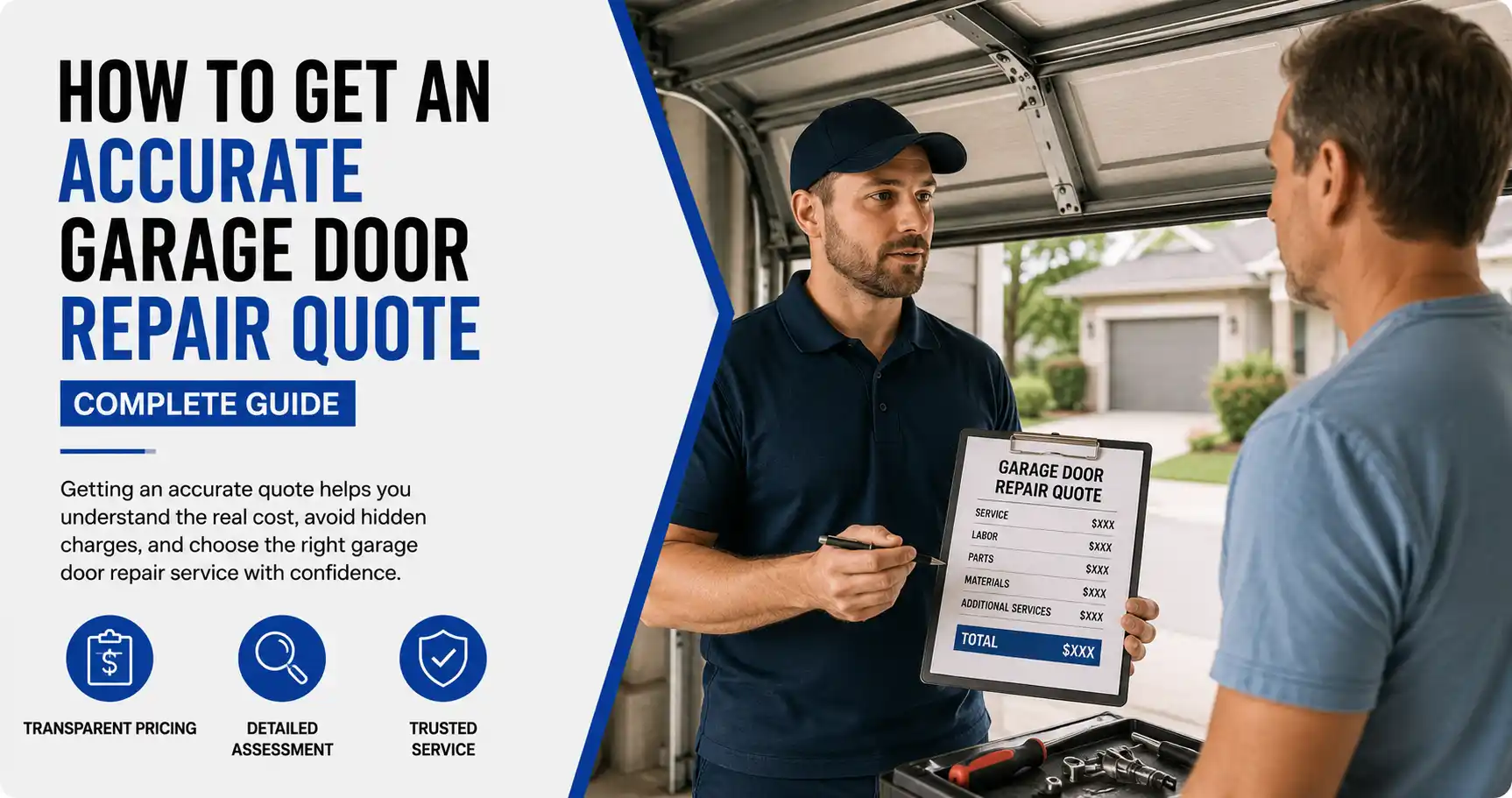
• Transparent pricing: Get a clear quote before any work begins
• Local reputation: A Houston-based team understands common regional wear patterns from heat and humidity
WeFix Garage Door Repair provides licensed, same-day service across Houston for both routine maintenance and urgent spring, cable, or track repairs.
Frequently Asked Questions
Can I replace a garage door spring myself?
No. Garage door springs hold enough tension to cause serious injury if released improperly. Professional technicians use specialized winding bars and safety cables to control that tension safely. Many home improvement discussions repeat this same warning after hearing about DIY spring injuries.
What garage door repairs are safe to do myself?
Lubricating rollers and hinges, tightening visible bolts, cleaning tracks, and replacing weatherstripping are safe DIY tasks. These do not involve tension-bearing components, so the risk of injury is low.
How much does professional garage door repair cost?
Cost depends on the specific repair needed, from a simple lubrication service to a full spring replacement. See this garage door repair cost guide for typical pricing by repair type in the Houston area.
What should I do if my garage door won’t open?
First, check for visible obstructions in the track and confirm the opener has power. If the door still won’t move, avoid forcing it manually. This garage door not opening guide covers common causes and when to call a professional.
Does WeFix Garage Door Repair offer same-day service in Houston?
Yes. WeFix Garage Door Repair offers same-day and emergency garage door repair across Houston for issues involving springs, cables, tracks, or openers that stop working unexpectedly.
Conclusion
DIY garage door repair is safe for basic maintenance but risky for anything involving springs, cables, or tracks under tension. Knowing that line protects both the homeowner and the door itself.
WeFix Garage Door Repair provides licensed, same-day garage door repair services across Houston. Contact WeFix Garage Door Repair today for a safe, professional inspection instead of a risky DIY attempt.