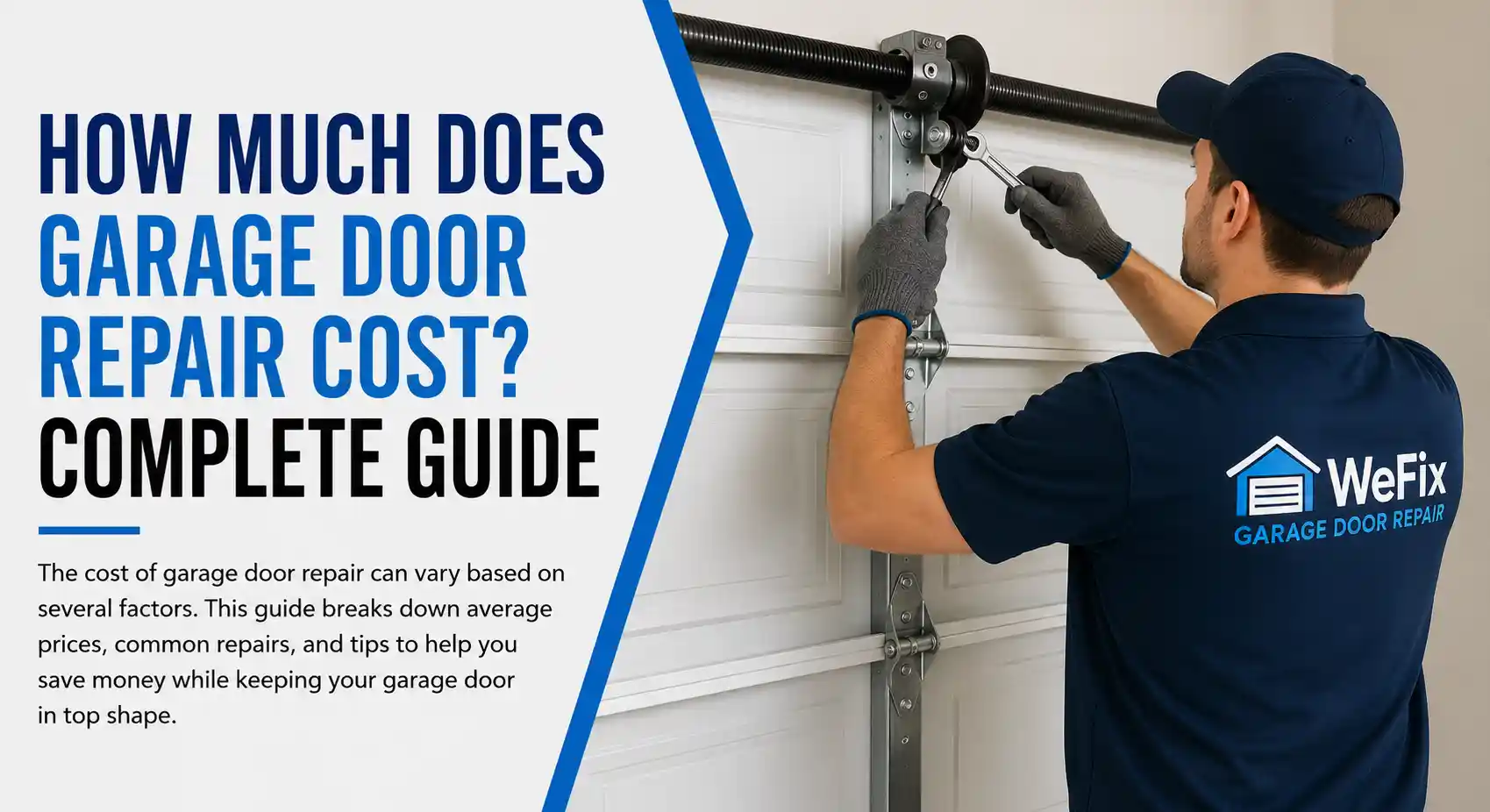

A garage door is one of the hardest-working components of any home. Most homeowners use it multiple times every day, making it easy to overlook until something goes wrong. Whether your garage door refuses to open, makes loud grinding noises, closes unevenly, or has broken springs, getting it repaired quickly is essential for your home’s security and convenience.
One of the first questions homeowners ask is, “How much does it cost to fix a garage door?” The answer varies because every repair is different. Several factors influence the total price, including the type of garage door, the damaged component, labor rates, replacement parts, and whether emergency service is required.
Understanding what affects repair costs will help you make informed decisions and avoid unexpected expenses while ensuring your garage door continues operating safely and efficiently.
Average Garage Door Repair Costs
Garage door repair costs can range from relatively inexpensive fixes to more complex repairs involving multiple components. Minor adjustments, such as tightening loose hardware or realigning sensors, are generally affordable. More extensive repairs, including broken torsion springs, damaged panels, or malfunctioning openers, require additional labor and replacement parts, increasing the total cost.
Every garage door system is different, so obtaining a professional inspection is the most accurate way to determine repair costs. An experienced technician can identify the root cause of the problem instead of only treating the visible symptoms, helping prevent future breakdowns.
Factors That Affect Garage Door Repair Costs
Several variables determine how much you’ll pay for garage door repairs. The biggest factor is the type of component that needs repair or replacement.
Type of Garage Door
Single-car garage doors are generally less expensive to repair than double-car or oversized commercial doors because they use fewer components and require less labor. Custom wood doors, insulated doors, and high-end designer garage doors often involve specialized materials that increase repair costs.
Modern garage doors with smart openers or advanced security features may also require specialized diagnostic equipment and replacement parts.
Type of Damage
The severity of the damage has a major impact on repair costs. A simple sensor adjustment takes significantly less time than replacing broken torsion springs or repairing structural damage caused by vehicle impact.
Ignoring small problems often allows them to become larger and more expensive. For example, worn rollers can eventually damage tracks, while broken springs may place excessive strain on the garage door opener.
Addressing issues early usually results in lower repair bills.
Replacement Parts
Some garage door components naturally wear out over time and require replacement after years of daily use.
These commonly include:
- Garage door springs
- Lift cables
- Rollers
- Hinges
- Tracks
- Weather seals
- Garage door opener motors
- Safety sensors
- Remote controls
- Keypads
The quality and brand of replacement parts also influence the total repair cost. Higher-quality components often last longer and provide better long-term value.
Labor Costs
Labor charges vary depending on your location, the complexity of the repair, and the technician’s experience. Emergency services performed during evenings, weekends, or holidays may include additional service fees due to their immediate response.
Choosing experienced professionals ensures repairs are completed correctly, reducing the likelihood of repeat service calls.
Common Garage Door Repairs Explained
Broken Garage Door Springs
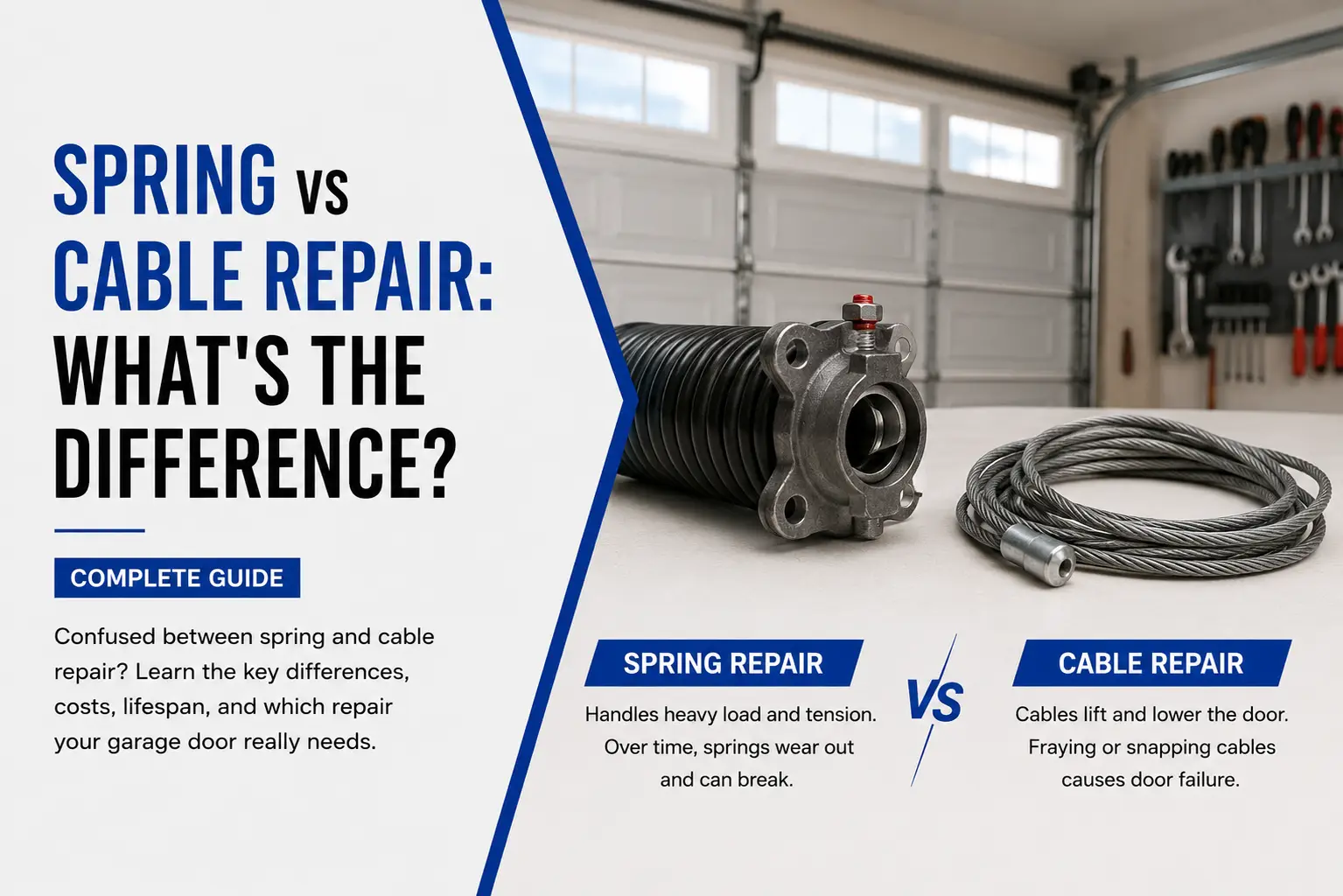
Garage door springs support the weight of the door and make opening and closing possible. Every spring has a limited life cycle and eventually wears out after thousands of operating cycles.
When a spring breaks, the garage door may become extremely heavy, fail to open, or slam shut unexpectedly. Since springs are under extreme tension, replacement should always be handled by trained professionals using specialized equipment.
Spring replacement is among the most common garage door repairs homeowners experience.
Garage Door Cable Replacement
Lift cables work together with the springs to raise and lower the garage door smoothly. Frayed or broken cables create uneven movement and may cause the door to become crooked or jammed.
Continuing to operate a garage door with damaged cables can create additional damage to tracks, rollers, and the opener. Professional replacement restores proper balance and safe operation.
Garage Door Roller Replacement
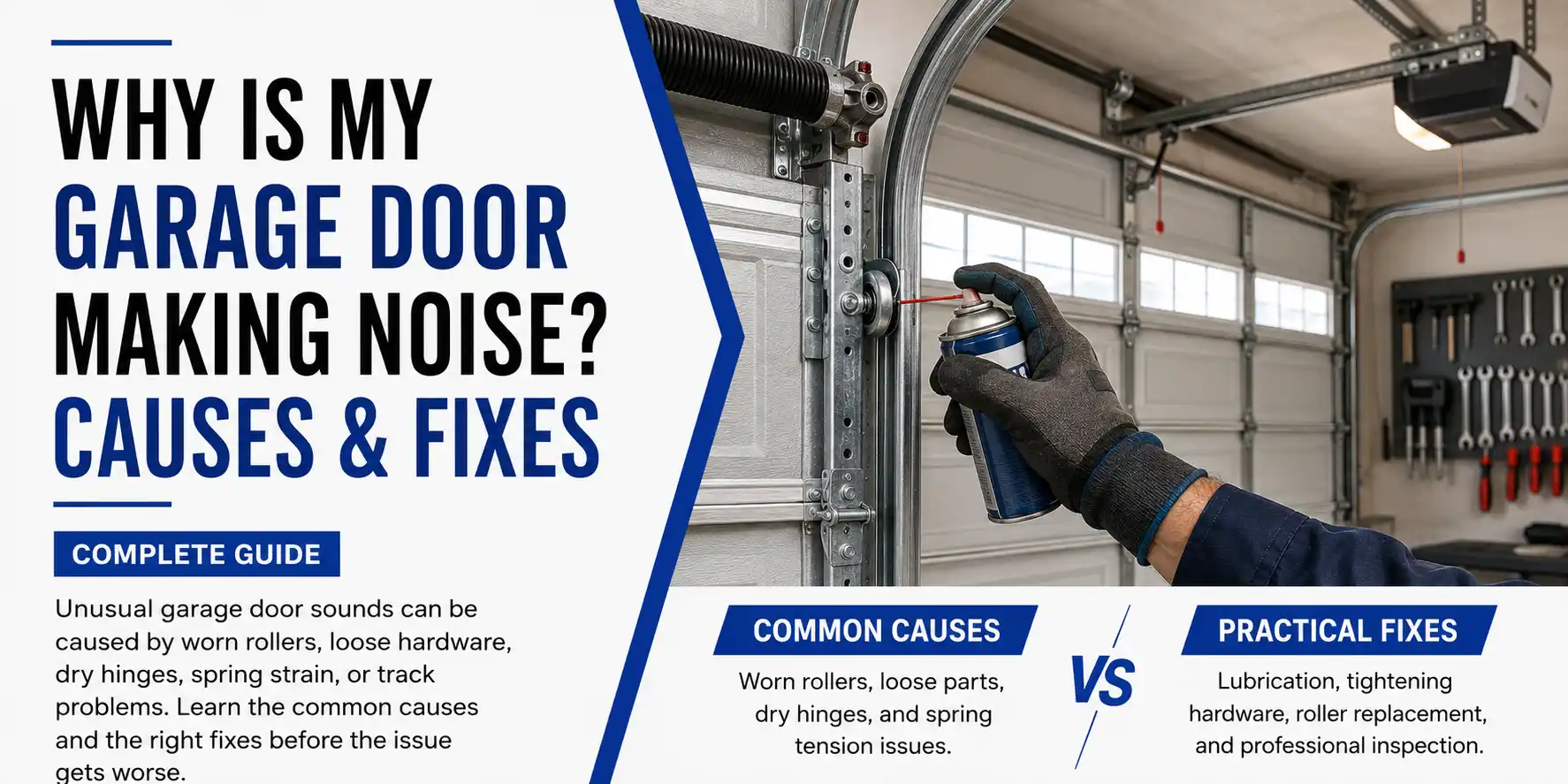
Rollers allow the garage door to move smoothly along its tracks. Over time they wear down, crack, or become noisy due to friction.
Replacing worn rollers reduces vibration, quiets operation, and prevents unnecessary strain on other garage door components.
Garage Door Track Repair
Bent or misaligned tracks prevent smooth door movement and may cause the garage door to stick, shake, or come off track entirely.
Minor track adjustments can often restore proper operation, while severely damaged tracks may require replacement.
Garage Door Opener Repair
Garage door openers include motors, gears, safety sensors, circuit boards, and remote control systems. Electrical failures, worn gears, damaged wiring, or faulty sensors can prevent the opener from functioning correctly.
Depending on the age of the opener, repairing the existing unit may be more economical than replacing it. However, older systems lacking modern safety features may benefit from complete replacement.
Garage Door Panel Replacement
Sometimes only one or two garage door panels become damaged due to accidental impact or severe weather.
If matching replacement panels are available and the rest of the door remains in good condition, replacing individual panels may be much more affordable than installing a completely new garage door.
Repair or Replace Your Garage Door?
Many homeowners struggle to decide whether repairing or replacing their garage door makes more financial sense.
Repairs are usually the better choice when:
- The garage door is relatively new.
- Damage is limited to one or two components.
- The door still operates efficiently.
- Replacement parts are readily available.
Replacement becomes a smarter investment when:
- The garage door is over 15–20 years old.
- Multiple components continue failing.
- Panels have severe structural damage.
- The opener frequently malfunctions.
- Energy efficiency is poor.
- You want to improve curb appeal and home value.
A professional inspection can help determine the most cost-effective solution.
How Preventive Maintenance Saves Money
Routine maintenance is one of the easiest ways to reduce long-term repair expenses.
Professional maintenance typically includes inspecting springs, lubricating moving parts, checking cable condition, adjusting opener settings, testing safety sensors, tightening hardware, and verifying door balance.
These simple services identify developing problems before they become major repairs.
Homeowners should also perform basic monthly maintenance by visually inspecting the garage door, cleaning the tracks, replacing remote batteries, and listening for unusual noises during operation.
Preventive care significantly extends the life of the entire garage door system.
Why Hiring a Professional Is Worth It
Garage doors are heavy mechanical systems with components operating under significant tension. Attempting repairs without proper training can result in serious injury or additional property damage.
Professional garage door technicians use specialized tools and follow industry safety standards to complete repairs safely and efficiently. They also inspect the complete system to identify hidden problems that homeowners may overlook.
Many professional repairs also include warranties on labor and replacement parts, providing added peace of mind.
Choosing the Right Garage Door Repair Company
When selecting a repair company, choose one with experienced technicians, transparent pricing, positive customer reviews, and quality replacement parts.
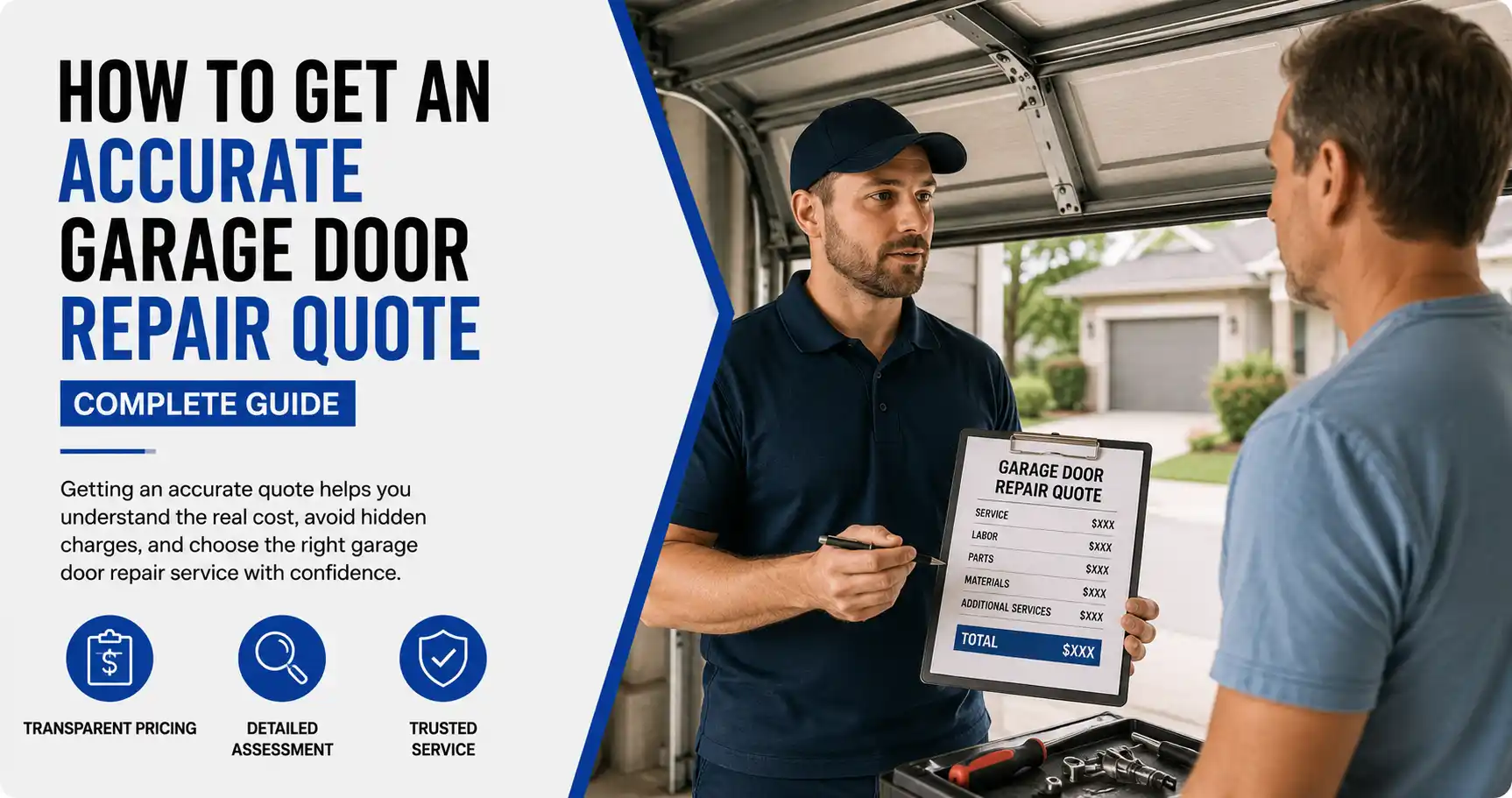
A reputable company should provide a detailed inspection, explain repair options clearly, offer written estimates, and never recommend unnecessary services.
Fast response times, emergency availability, and workmanship guarantees are also important when choosing a garage door repair provider.
Conclusion
The cost to fix a garage door depends on several factors, including the damaged component, labor requirements, replacement parts, and the overall condition of the door. While minor repairs are relatively affordable, more complex issues involving springs, openers, or structural damage require a greater investment.
The best way to minimize repair costs is through routine maintenance and addressing problems as soon as they appear. Early repairs help prevent expensive breakdowns, improve safety, extend the life of your garage door, and keep your home secure. By working with a qualified garage door repair professional, homeowners can enjoy reliable operation and long-term value from their garage door system.
Frequently Asked Questions
How much does it typically cost to repair a garage door?
Garage door repair costs vary based on the issue, but minor repairs are generally less expensive than replacing major components like springs, cables, or openers.
What is the most common garage door repair?
Broken torsion springs, damaged rollers, worn cables, sensor alignment issues, and garage door opener repairs are among the most common services homeowners require.
Is it cheaper to repair or replace a garage door?
If the damage is limited to one or two components, repairing the garage door is usually the most cost-effective option. Replacement is often recommended for older doors with extensive damage or repeated repair needs.
How long does a garage door repair usually take?
Most standard garage door repairs can be completed within 1 to 3 hours, although larger or more complex repairs may require additional time.
Can regular maintenance reduce garage door repair costs?
Yes. Routine maintenance helps identify worn components early, prevents unexpected breakdowns, improves safety, and extends the lifespan of your garage door, ultimately reducing long-term repair expenses.